RU
RU  EN
EN 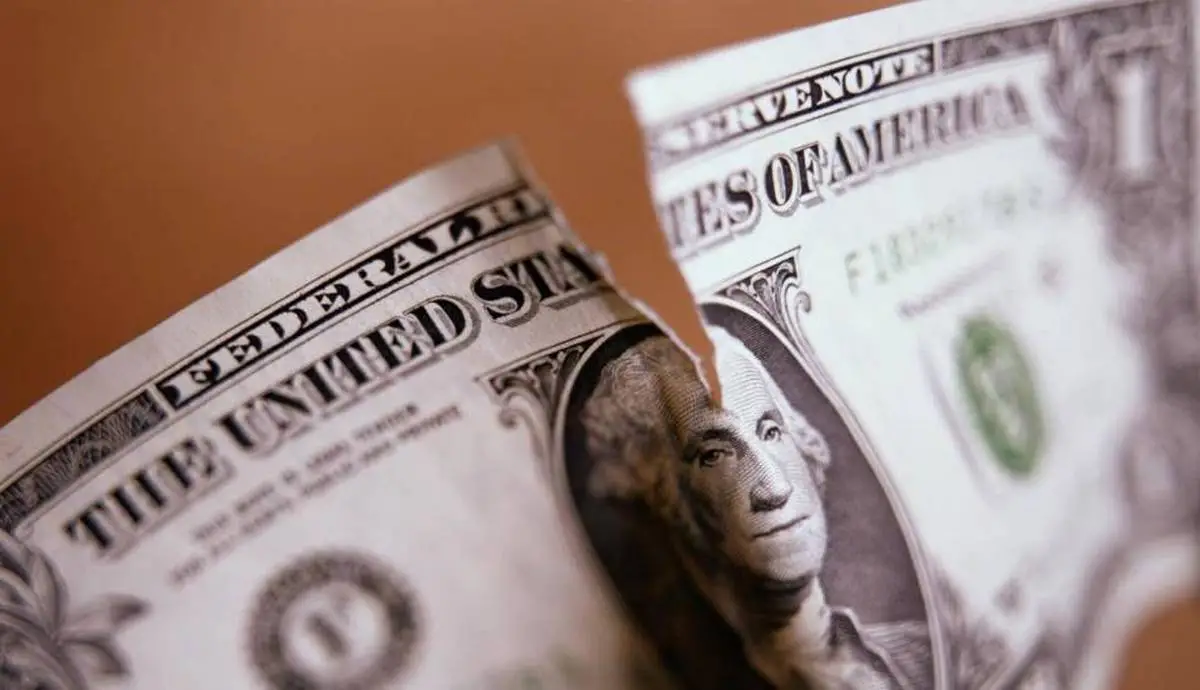
People carrying cash US dollars often wonder whether an old banknote can still be exchanged and whether its year of issue matters. There are many misconceptions about old US dollars. Some people believe that older-design banknotes automatically become invalid, while others assume that a bank must accept any surviving banknote.
In practice, two different questions must be separated: whether the banknote is still legal tender and what condition it is in. The fact that a dollar has an old design does not, by itself, mean that it has lost its value.
At the same time, a bank may refuse to accept a particular banknote if its condition does not meet the applicable requirements. Therefore, when exchanging cash US dollars, you should pay attention not only to the year of issue but also to the physical condition of the banknote.
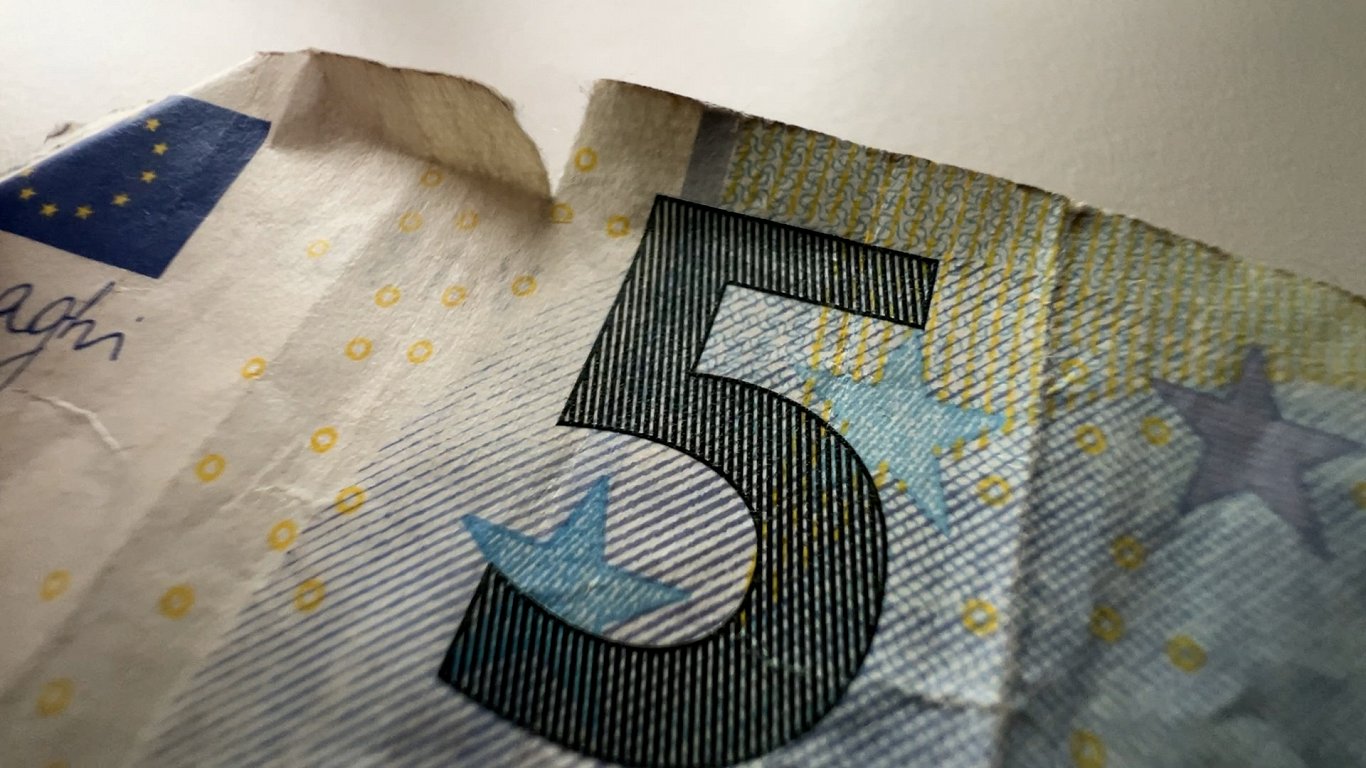
A damaged foreign banknote does not necessarily become worthless. In Transnistria, specific rules determine which foreign banknotes banks may accept from individuals, which types of damage may result in a commission, and when a bank may refuse a banknote.
A small tear, stain or inscription is therefore not necessarily a reason to throw a banknote away. Before going to a bank, however, it is important to understand how serious the damage is and whether it falls into a category that can be accepted.
When buying or selling foreign currency, it is important to pay attention not only to the exchange rate but also to the condition and authenticity of the banknotes.
This is particularly important when dealing with cash: a damaged or suspicious banknote may not be accepted by every bank or exchange office.
Modern banknotes have several security features that can help you check their authenticity. You do not need special expertise to identify some of these features yourself.
However, a basic visual inspection does not replace professional examination. If a banknote raises serious doubts, it is safer to take it to a bank rather than attempt to use it for payment.
When you look at currency exchange rates in Transnistria, you may notice that the official exchange rate and the rates offered by commercial banks are different.
This does not mean that one of them is incorrect. They serve different purposes and are used for different types of transactions.
Understanding the difference is especially important if you are visiting Transnistria and need to exchange cash.
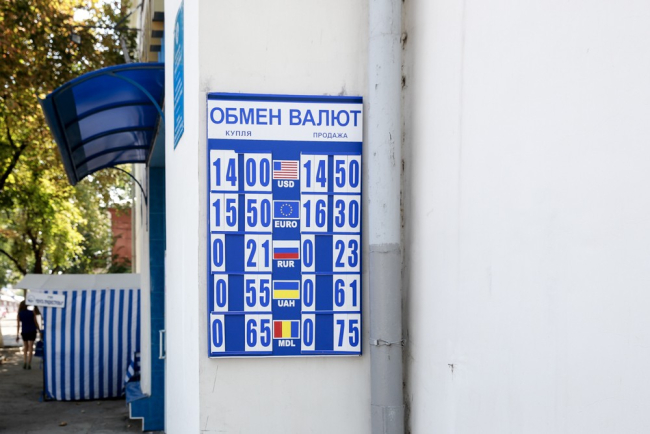
One of the most common mistakes when exchanging currency is choosing the wrong exchange rate.
A bank normally publishes two rates for the same currency:
-
a buying rate;
-
a selling rate.
Which one you should use depends entirely on the direction of your transaction.
The easiest way to remember it is:
If you sell foreign currency to the bank, use the bank's buying rate. If you buy foreign currency from the bank, use the bank's selling rate.
This distinction is especially important when exchanging cash in Transnistria.