RU
RU  EN
EN 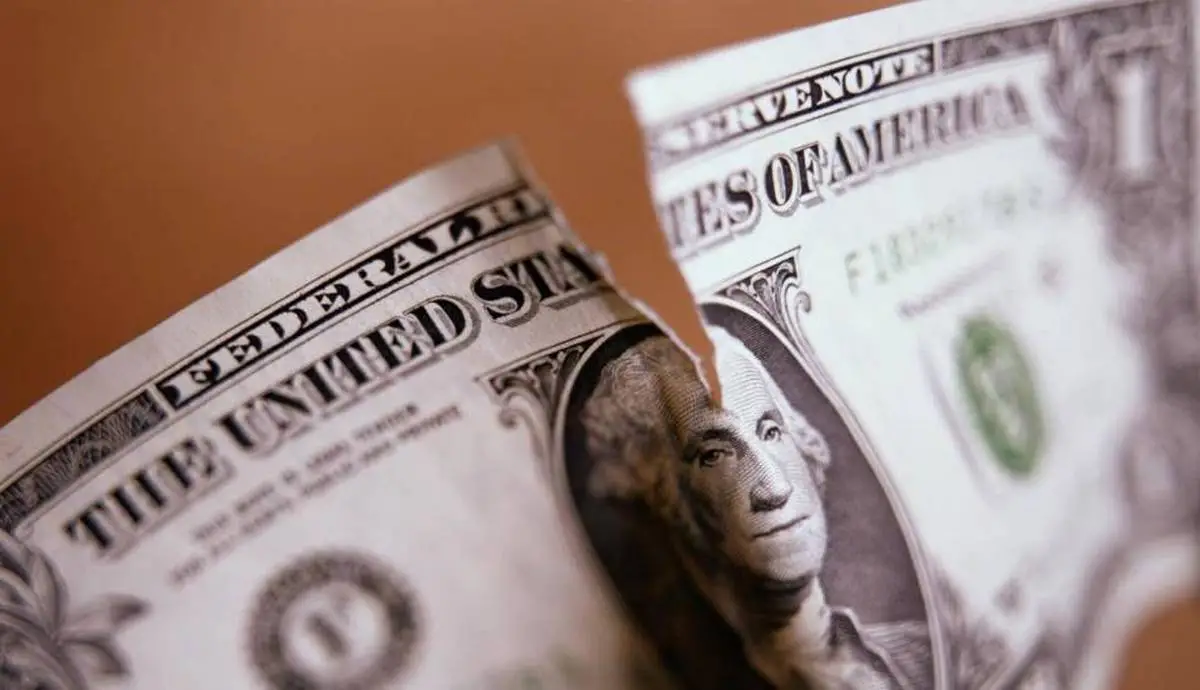
Does an Old US Dollar Become Invalid?
The fact that a US banknote has an old design does not automatically make it invalid.
The appearance of US dollars has changed over the years, and security features have been improved. As a result, banknotes from different periods may look noticeably different.
For visitors, the practical rule is simple: do not judge whether a dollar can be exchanged solely by how modern it looks.
What matters much more is whether the banknote is an official US currency note and whether its condition allows its authenticity and value to be reliably determined.
Why Can a Bank Refuse an Old Banknote?
The reason for a refusal may be the condition of the banknote rather than its age.
For example, a banknote may be so worn that the paper has lost its original density, become unusually thin, or started to separate into layers. In such a case, the problem is not the date of issue.
A bank may also refuse a banknote if important features have been damaged, its authenticity cannot be reliably determined, or it has other serious defects.
Which Damage to a Dollar May Result in a Refusal?
When damaged foreign banknotes are accepted, specific characteristics of the damage are taken into account.
A banknote may be refused if:
-
it has become discolored;
-
part of the banknote is missing;
-
essential signs of legal tender have been lost;
-
important security features have been damaged;
-
there are signs of burning or scorching;
-
the paper has become substantially thinner or has started to separate as a result of prolonged circulation;
-
the damage exceeds the permitted limits;
-
the main images have been substantially altered;
-
the security thread has been removed;
-
there is an obvious printing defect;
-
the banknote is marked “SPECIMEN”;
-
the banknote has been officially withdrawn from circulation by the issuer.
Therefore, an old dollar in good condition and a heavily worn dollar are two completely different situations.
What If the Dollar Is Simply Worn?
Signs of normal circulation are common on cash. Minor wear, folds and other small signs of use do not automatically mean that a banknote is unacceptable.
However, the situation changes when the banknote is seriously worn. If the paper has lost its density, become excessively thin or started to separate into layers, the banknote may fall into a category that a bank cannot accept.
This is why the term “old dollar” says very little about the actual condition of a banknote.
What If There Is Writing on the Dollar?
Writing on a banknote does not automatically mean that it will be refused.
US dollar banknotes with certain inscriptions or stamps may be accepted, subject to applicable limits on the number and total area of such marks.
If the established limits are not exceeded, the banknote may be accepted with a commission.
If the number or area of the marks exceeds the permitted limits, the banknote may be classified as unacceptable.
What If an Old Dollar Has a Stain?
A stain must also be assessed according to its size, number and characteristics.
Small marks may fall into a category of damage that can be accepted without a commission, while more significant stains on US dollars may fall into a category where a commission can be charged.
The number of stains and their total area may both be taken into account.
Therefore, one small spot and several large stains are not necessarily treated in the same way under the applicable rules.
What If an Old Dollar Has a Tear?
Tears are assessed according to their length and number.
For US dollars, certain damaged banknotes may still be accepted even when tears have been repaired with adhesive.
If each such tear is longer than 0.5 cm but does not exceed 1 cm, and there are no more than three such tears, the banknote may fall into a category that can be accepted with a commission.
If the damage is more serious, acceptance depends on whether the banknote meets the other applicable requirements.
Can You Exchange a Dollar With a Torn Corner?
In some cases, yes.
A US dollar banknote with a reattached torn corner or fragment may be accepted if specific conditions are met.
The detached piece must clearly belong to the same banknote, its area must not exceed 1 cm², and the serial number must remain completely intact.
If these conditions are not met, the banknote may not qualify for acceptance.
Why Is the Serial Number Important?
The serial number is one of the elements used to identify a banknote.
For this reason, if a banknote has been damaged, it is important not to lose or damage information that allows the banknote to be identified.
This is why the rules specifically require the serial number to remain intact when a detached fragment has been reattached.
If a dollar is torn, keep all of its pieces and do not try to alter or reconstruct the banknote yourself.
What Should You Do If a Bank Refuses an Old Dollar?
First, find out why the banknote was refused.
If the problem is related to its condition, ask the bank employee which particular defect prevents the banknote from being accepted.
In some cases, a cashier can determine the degree of damage directly. If this cannot be done at the branch, the banknote may need to be examined at the bank's head office or another appropriate branch.
This can be especially relevant for unusual types of damage that are difficult to assess at a cash desk.
Do Not Confuse a Refused Banknote With a Counterfeit
These are two completely different situations.
If a banknote does not meet the requirements because of its condition, that does not mean that it is counterfeit.
For example, a genuine banknote may be heavily worn or damaged but still not meet the requirements for acceptance.
A counterfeit banknote is a different matter: the issue is its authenticity, not its physical condition.
Why Is One Old Dollar Accepted While Another Is Refused?
Two banknotes of the same denomination and approximately the same year of issue can be in completely different condition.
One may have only minor signs of wear, while another may have tears, stains, damaged paper or missing security features.
Therefore, comparing banknotes solely by age is incorrect.
When deciding whether to accept a banknote, the cashier assesses the condition of the specific note.
Should You Exchange Old Dollars in Advance?
If an old banknote is in good condition and there are no problems with its identification or security features, its older design alone is not a reason to panic.
If the banknote is heavily worn or damaged, however, it is better not to wait until you urgently need to use it.
You can contact a bank in advance and ask whether the particular banknote can be accepted.
How to Check Your Dollars Before Exchange
Before a large cash transaction, carefully inspect the banknotes you are going to receive.
Check:
-
the denomination;
-
the serial number;
-
the condition of the paper;
-
tears and holes;
-
stains and writing;
-
the condition of the main images;
-
security features.
If a banknote looks different from the others or raises any concerns, show it to the cashier immediately.
An Old Dollar and the Exchange Rate Are Two Different Things
Another common misconception is that an old banknote should automatically be exchanged at a different rate.
The age of a banknote and the exchange rate are separate issues. The exchange rate depends on the terms of the transaction, while acceptance of a particular banknote depends on its status and condition.
Before exchanging money, therefore, check the current USD exchange rate separately and make sure that your banknotes meet the bank's acceptance requirements.
Should You Exchange Old Dollars or Keep Them?
There is no universal answer.
If the banknotes are in good condition and remain legal tender, their issue date alone is not a sufficient reason to exchange them immediately.
If, however, the banknotes have damage that could make them difficult to use or exchange in the future, it may be sensible to find out in advance whether a bank can accept them.
Conclusion
An old US dollar does not automatically become invalid simply because of its age or different design. When dealing with foreign cash, the condition of the specific banknote, its essential features and the ability to verify its authenticity are much more important.
Damaged US dollars may be accepted by a bank depending on the type, size and number of defects. In some cases they may be accepted without a commission, in others with a commission, while seriously damaged banknotes may be refused.
If you have an old dollar, do not judge it solely by its appearance or year of issue. Check its condition and, if necessary, ask a bank in advance whether it can be accepted.
Before exchanging a large amount of money, it is also worth comparing the current exchange rates offered by banks in Transnistria and checking the applicable terms of the transaction.